Carbon Negative Material A Breakthrough For Green Building
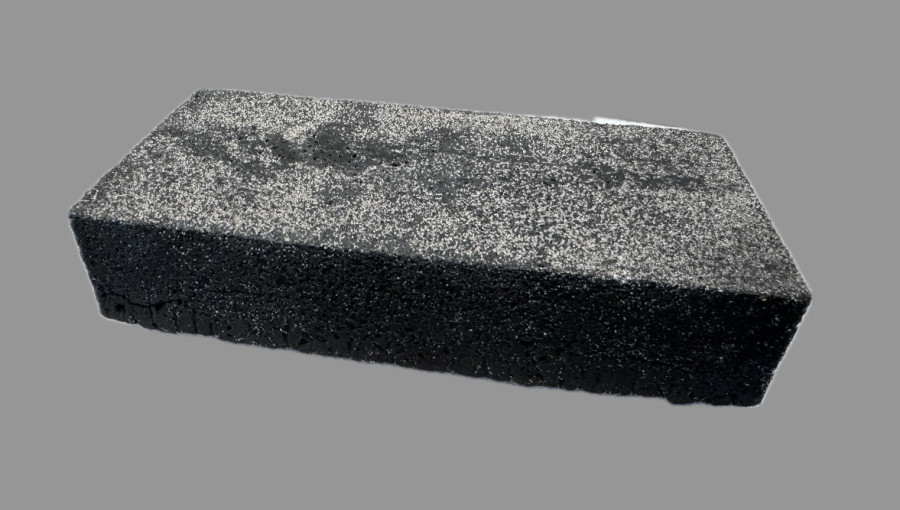
Researchers at Worcester Polytechnic Institute in Massachusetts have developed a revolutionary building material that is not just carbon-neutral, but carbon-negative. This innovative alternative to concrete, created using a bio-inspired enzymatic process, absorbs more carbon dioxide than it produces. The new material sequesters 6.1 kilograms of CO2 per cubic meter during its formation, a stark contrast to the approximately 330 kilograms of CO2 emission associated with producing the same volume of conventional concrete. It also cures in hours instead of weeks, promising to accelerate construction timelines.
The immense carbon footprint of the global construction industry is largely driven by concrete, specifically the cement that binds it together. Traditional cement production is highly energy-intensive, requiring extreme heat to process limestone into a key ingredient called clinker. Furthermore, the chemical process of heating limestone, which is primarily calcium carbonate, releases vast quantities of stored carbon dioxide. This dual impact makes finding a viable, low-carbon alternative a critical goal for climate scientists and engineers worldwide.
The team at Worcester Polytechnic Institute has named their creation Enzymatic Structural Material (ESM). Their approach sidesteps the issues of heat and limestone by using an enzyme, carbonic anhydrase, to trigger a chemical reaction that forms calcium carbonate crystals. An earlier attempt by the team produced a material that unfortunately weakened significantly in humid conditions, a common flaw in bio-inspired materials using water-attracting polymer scaffolds. The key breakthrough in their latest research was switching to a hydrophobic, or water-repelling, scaffold made of sand, which allows the calcium carbonate crystals to grow into a strong and durable structure.
This new method results in a material with a compressive strength of 25.8 megapascals (MPa), making it strong enough for non-structural applications such as wall bricks or roof decks. While not yet a replacement for high-strength structural concrete, its rapid curing time is a significant advantage. The ability to mold and set ESM blocks within hours, compared to the typical 28-day curing period for concrete, could be transformative for rapid housing projects and post-disaster reconstruction efforts. The material is also designed to be easily repaired and recycled, further enhancing its sustainability credentials.
While ESM represents a significant step forward, it is still in the laboratory phase. The researchers are now focused on refining the formula, improving its performance, and exploring pathways for scalable mass production. This development is part of a broader industry-wide push for decarbonization, with various companies and associations pursuing solutions ranging from low-carbon cement blends to advanced carbon capture systems to make construction more environmentally friendly.