Malaysia Launches New Residential Solar Rebate Program
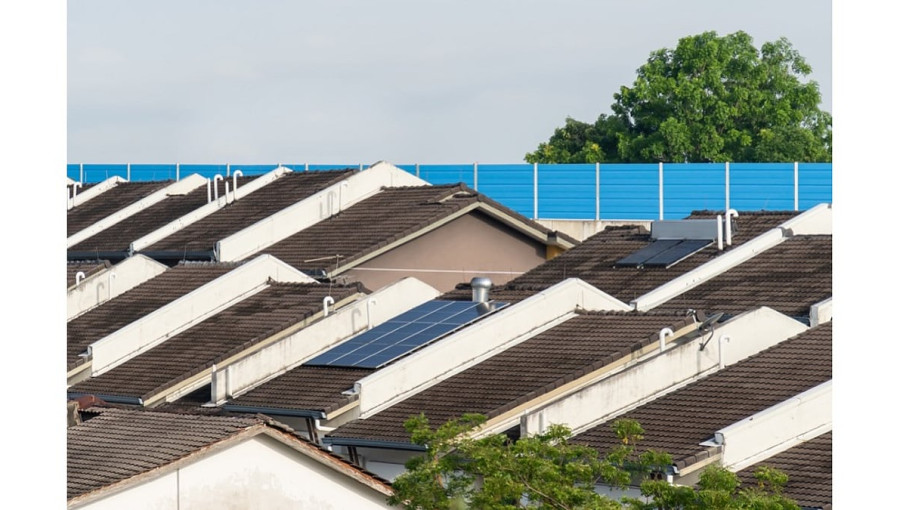
Malaysia has introduced the Sustainable Rebate & Incentive Assistance (SuRIA) Home program, a government-backed initiative designed to accelerate the adoption of residential rooftop solar systems. With an allocation of MYR 150 million, the program provides financial rebates to help households offset installation costs and lower their electricity bills. By targeting the deployment of 250 MW of new solar capacity by the end of 2026, the government aims to support up to 50,000 homes while simultaneously advancing the nation’s broader energy transition goals and mitigating the impact of rising global energy costs.
The Ministry of Energy Transition and Water Transformation (PETRA) announced that the initiative is a strategic response to the global fuel supply crisis and market volatility caused by geopolitical tensions. By incentivizing rooftop solar, the government seeks to empower citizens to take control of their energy consumption. Deputy Prime Minister and Energy Minister Fadillah Yusof emphasized that the program is a key component of Malaysia’s commitment to reaching a 70% renewable energy capacity target by 2050, ensuring that the benefits of the transition are accessible to the general public.
Under the terms of the SuRIA Home program, eligible Malaysian citizens classified as Domestic Low Voltage users can receive a rebate of MYR 600 for every 1 kW AC of installed solar capacity. The financial assistance is capped at MYR 3,000 for systems with a capacity of 5 kW AC or higher. To qualify, homeowners must have their solar systems successfully commissioned by the national utility, Tenaga Nasional Berhad (TNB). Once verified, the rebate funds will be deposited directly into the applicant's bank account.
Applications for the program are set to open on June 1, 2026, and will be processed on a first-come, first-served basis. The initiative will remain active until December 31, 2026, or until the 250 MW capacity quota is fully exhausted. The government has clarified that the program is exclusive to new participants, meaning those who have previously received solar-related financial assistance are ineligible. This structured rollout is intended to ensure efficient distribution of funds while maintaining momentum in the country’s shift toward sustainable, decentralized energy production.