New Perovskite Solar Cells Turn Glass Windows Into Power
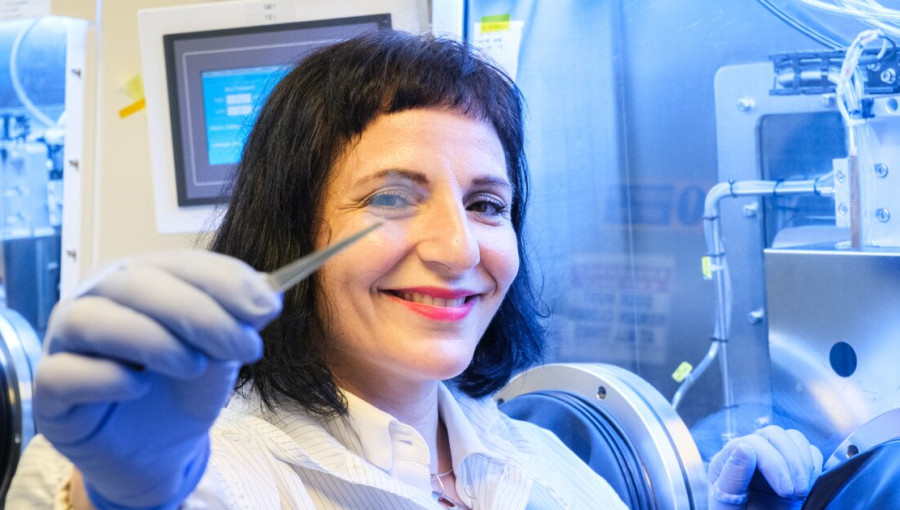
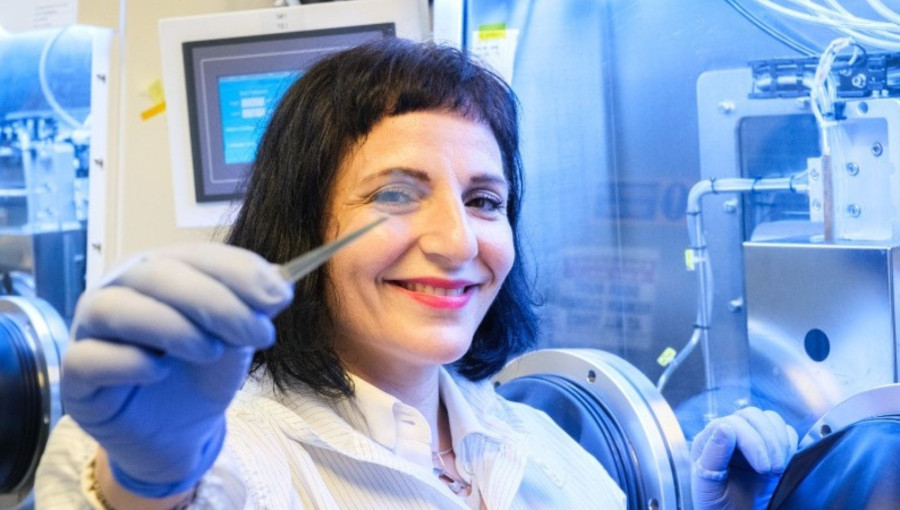
Researchers at Nanyang Technological University (NTU) Singapore have developed ultrathin, semi-transparent perovskite solar cells that could transform glass windows into active power-generating surfaces. Measuring only 10 nanometers thick, these cells are significantly thinner than conventional photovoltaics, offering a potential solution for dense urban environments where rooftop space is limited. By utilizing a vacuum-based thermal evaporation manufacturing process, the team achieved a balance between transparency and energy conversion efficiency. While the technology remains in the research phase, it offers a promising path toward integrating renewable energy generation directly into skyscrapers, vehicle sunroofs, and smart glasses.
The primary obstacle to large-scale solar adoption in cities is the lack of available space for bulky, opaque panels. Traditional silicon-based systems are heavy and require significant mounting hardware, making them impractical for the glass facades that define modern architecture. In contrast, the NTU team’s perovskite-based devices are lightweight and can be engineered to be semi-transparent. By precisely controlling the thickness of the perovskite layers, the researchers created cells that allow 41% of visible light to pass through while maintaining a 7.6% power conversion efficiency, providing a color-neutral solution that does not distort building aesthetics.
A key innovation in this study is the use of thermal evaporation, a manufacturing technique already standard in the semiconductor and display industries. By heating materials in a vacuum until they vaporize and deposit as a thin film, the researchers can produce uniform, large-area surfaces without the toxic solvents often required in liquid-based chemical processing. This method allows for greater precision and scalability, which is essential for covering the vast glass surfaces of high-rise buildings. The team estimates that applying this technology to a structure like One World Trade Center could generate enough electricity to power dozens of homes.
Despite these advancements, the technology faces the persistent challenge of long-term durability. Perovskite materials are known to be sensitive to environmental factors like moisture, heat, and ultraviolet light, which can degrade performance over time. Experts note that while the initial results are promising, the next phase of development must focus on ensuring these cells can withstand years of real-world exposure. The NTU team has already filed a patent for the technology and is currently collaborating with industry partners to refine the manufacturing process and address the critical hurdles of stability and large-scale production.