Solar-Powered Reactor Converts CO₂ into Fuel, Offering a Sustainable Alternative

Researchers at the University of Cambridge have developed a groundbreaking solar-powered reactor that captures carbon dioxide from the atmosphere and converts it into sustainable fuel. This innovative technology eliminates the need for fossil-fuel-based energy inputs and could play a crucial role in reducing greenhouse gas emissions while producing a renewable fuel source.
A Game-Changer for Carbon Capture
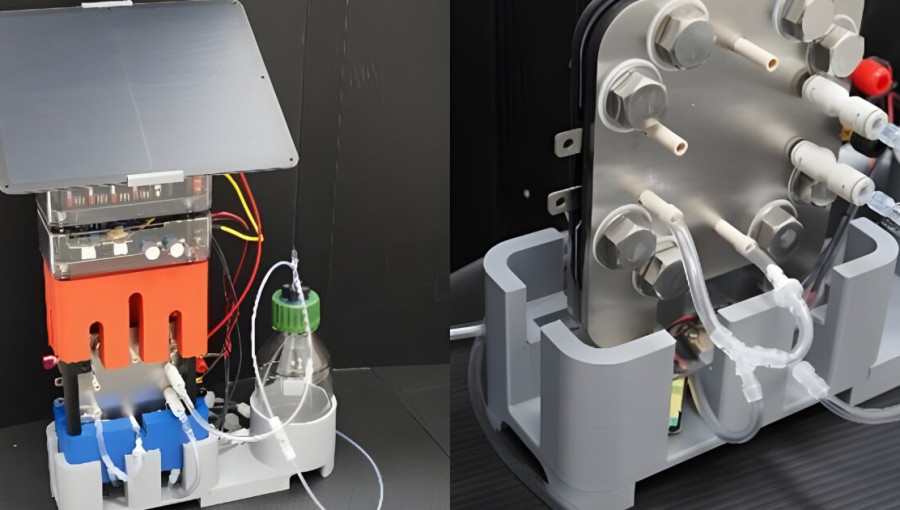
Unlike traditional carbon capture and storage (CCS) methods, which require significant energy and long-term CO₂ storage, this new system pulls CO₂ directly from the air and transforms it into syngas—a key component in manufacturing chemicals, pharmaceuticals, and fuels. The self-sustaining reactor operates using sunlight without external power sources, cables, or batteries, mirroring the natural process of photosynthesis.
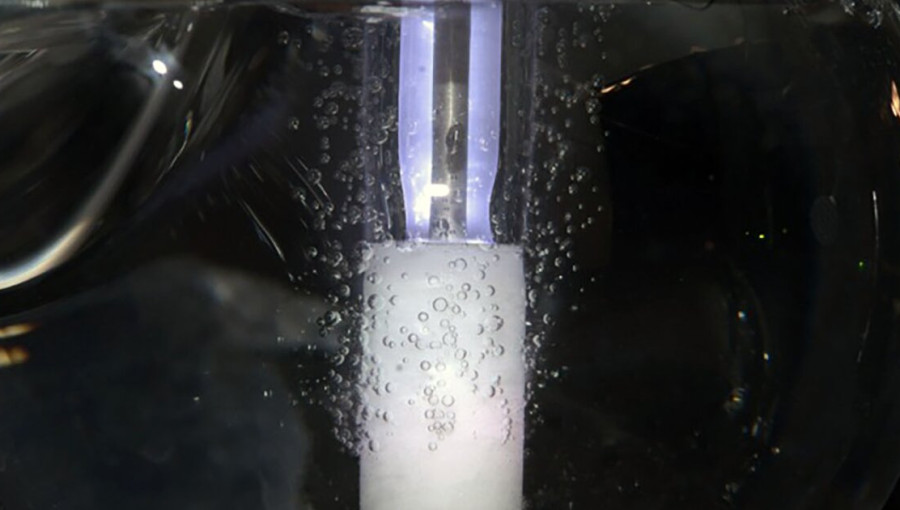
The reactor’s efficiency is enhanced by a semiconductor powder that captures ultraviolet light and a mirror that concentrates sunlight. At night, specialized filters store CO₂, which is then converted into syngas during daylight hours through a chemical reaction.
Potential for a Sustainable Future
If scaled up, this technology could serve a dual purpose: removing CO₂ from the atmosphere while providing an alternative to fossil fuels. Researchers highlight its potential for decentralized fuel production, allowing communities—especially in remote areas—to generate their own sustainable energy. The chemical and pharmaceutical industries could also benefit from syngas production without worsening climate change.
“Instead of continuing to extract and burn fossil fuels, we can capture CO₂ directly from the air and reuse it,” said Professor Erwin Reisner, who led the research. “We have the opportunity to create a circular, sustainable economy—if the political will is there to support it.”
This breakthrough presents a promising path toward achieving global climate goals and reducing reliance on fossil fuels while paving the way for a cleaner, self-sustaining energy future.