Outdoor Enclosures Enhance Residential Battery Fire Safety
As residential energy storage systems become increasingly common alongside rooftop solar installations, industry experts are highlighting the critical importance of fire safety and risk management. Harry Wolkenfelt, an insurance specialist at Solarif, emphasizes that the strategic placement of home battery systems is essential for minimizing hazards. By opting for outdoor installations protected by specialized enclosures, homeowners can significantly reduce the risk of fire and technical failures, a move that is gaining traction among insurers looking to mitigate potential liabilities in the rapidly expanding home battery market.
The surge in residential battery adoption is prompting a closer look at safety protocols from both homeowners and insurance providers. Harry Wolkenfelt, founder of the Dutch insurance consultancy Solarif, recently showcased this trend by installing a battery system at his residence near Rotterdam. His approach prioritizes safety by placing the equipment outside the main living structure, thereby isolating potential fire risks from the home itself.
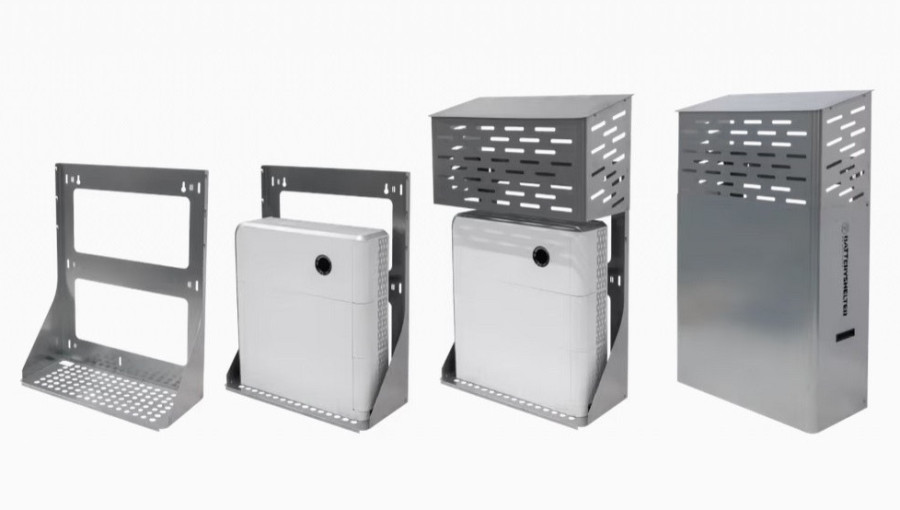
Wolkenfelt’s installation features a Sigenergy battery housed within a "Batteryshelter," a protective enclosure developed by the company Conduct. This setup is specifically designed to shield the system from environmental factors such as debris, moisture, and falling organic matter. At Wolkenfelt’s property, the unit is situated under a lime tree, where seeds and leaves could otherwise interfere with the battery’s operation. The enclosure acts as a barrier against these external contaminants, reducing the likelihood of technical malfunctions or overheating.
From an insurance perspective, the expansion of the residential storage sector introduces complex risk assessments. While modern battery systems are built to high safety standards, factors like ventilation and physical protection remain vital. Wolkenfelt suggests that proactive measures, such as using dedicated shelters and choosing external sites, are not just about protecting the hardware but are fundamental to risk reduction.
For the insurance industry, these safety choices are becoming increasingly relevant. Proper installation and the use of protective enclosures can lead to more favorable insurance terms and lower premiums. More importantly, these precautions serve as a first line of defense, preventing accidents before they occur and ensuring the long-term reliability of energy storage solutions in the residential sector.