Renewables Outpace Demand In New Age Of Electricity
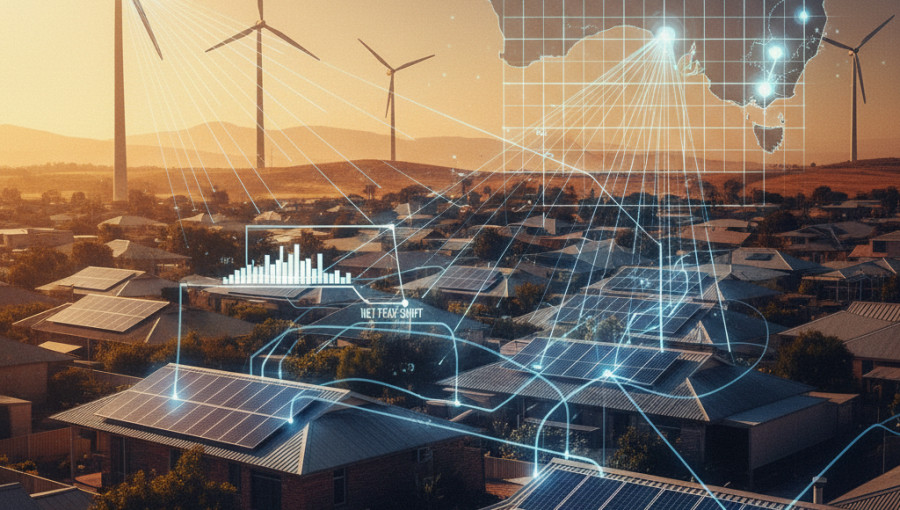
The global energy landscape has entered a transformative "age of electricity," according to recent reports from the International Energy Agency (IEA) and the think tank Ember. Despite geopolitical tensions disrupting oil and gas supplies, 2025 emerged as a pivotal year where renewable energy growth surpassed the increase in global power demand. This shift indicates a structural move away from fossil fuels, driven by plummeting battery costs and rapid solar expansion. While total carbon emissions reached a record high, the rise of clean energy in developing nations is fundamentally reshaping the future of the climate fight.
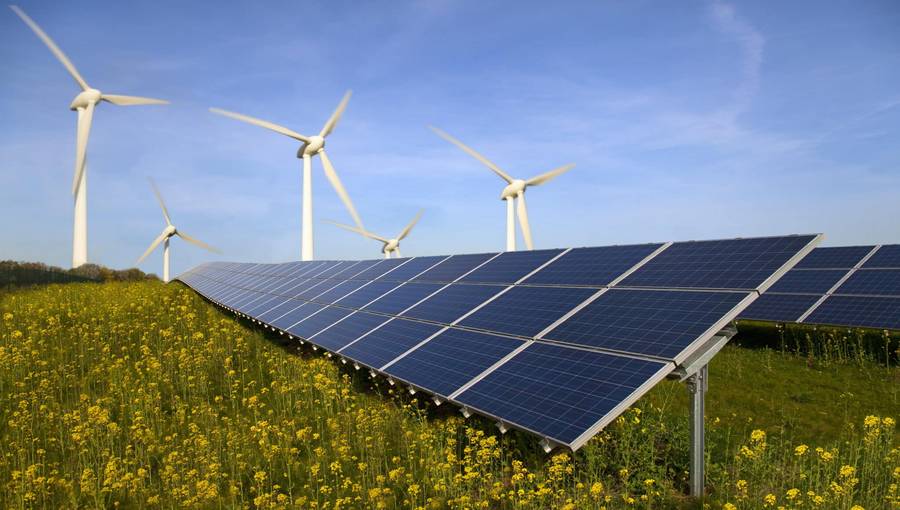
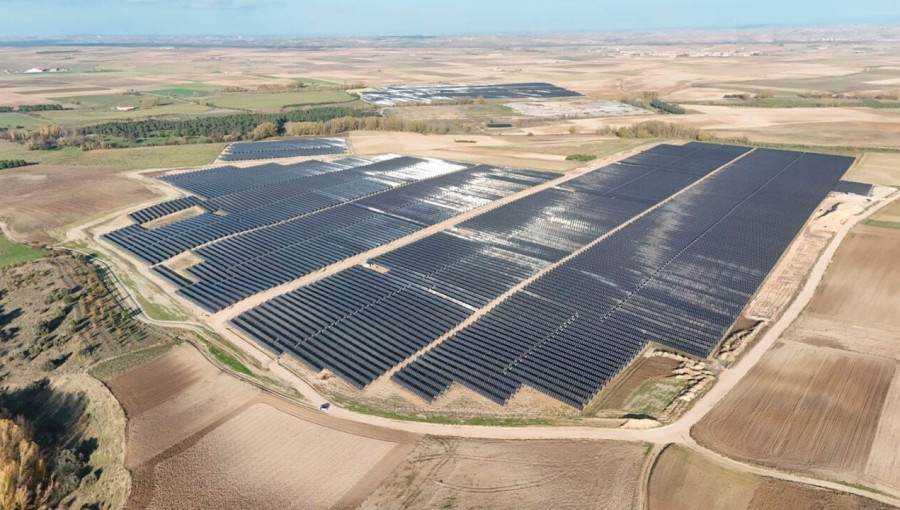
The transition toward a decarbonized economy is no longer a theoretical concept but a measurable reality. New data reveals that 2025 was a landmark year for the energy sector, as solar power became the primary source for meeting the world’s increasing electricity needs. Combined with wind, nuclear, and hydropower, the total output from carbon-free sources exceeded the overall growth in global electricity consumption for the first time, effectively beginning the displacement of fossil fuels.
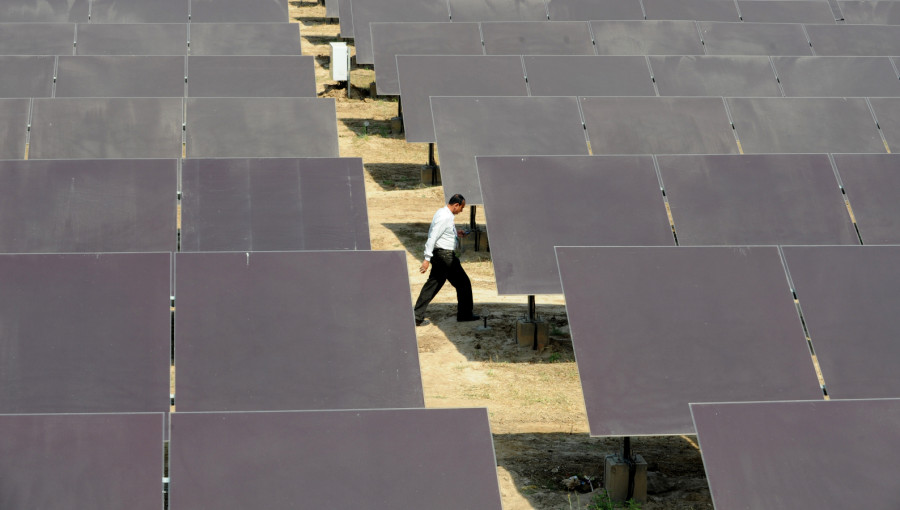
A significant portion of this progress is attributed to China and India. These two nations, which account for nearly half of the world's fossil fuel power generation, both saw a decline in coal and gas usage in 2025. This transition is supported by a dramatic 45 percent drop in battery costs, following a 20 percent decrease the previous year. This economic shift has allowed developing nations to "leapfrog" traditional energy stages; for instance, Indonesia’s electric vehicle market now accounts for 15 percent of new sales, surpassing the adoption rate in the United States.
However, the path to net-zero remains complicated. Total global CO2 emission levels rose by 0.4 percent last year, hitting a record high. This is largely because sectors like aviation, shipping, and heavy industry have yet to fully electrify. Furthermore, the United States saw a surprising 10 percent increase in coal demand. High natural gas prices and the massive energy requirements of new artificial intelligence data centers drove American power producers back to older, carbon-intensive energy sources.
Despite these setbacks in advanced economies, experts suggest the underlying trend is clear. The plateau in fossil fuel use is now tied to structural changes rather than economic recessions. As electricity increasingly powers transportation, heating, and industrial processes, the global reliance on traditional fossil fuels continues to erode, signaling the dawn of a new energy era.