
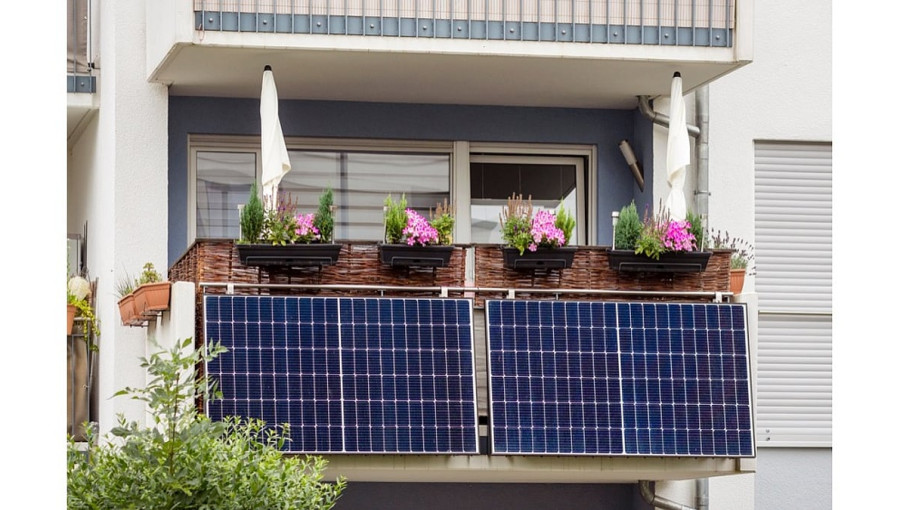
Maine has officially legalized plug-in solar systems, becoming the second U.S. state to authorize the technology. Governor Janet Mills signed bill LD 1730, allowing residents to install small-scale solar units by simply plugging them into standard electrical outlets. The legislation aims to lower energy costs for households—potentially reducing bills by 20%—while expanding access to renewable energy for renters and apartment dwellers. While Maine follows Utah’s lead, over 30 other states are currently considering similar measures to simplify residential solar adoption through these “balcony solar” configurations.
Governor Janet Mills has signed legislation making Maine the second state in the U.S. to approve plug-in solar technology. The bill, LD 1730, introduced by State Senator Nicole Grohoski, permits residents to deploy small-scale solar and battery systems directly into household outlets. This move follows a similar legal framework established in Utah and marks a significant shift toward making renewable energy accessible to a broader demographic, including those living in apartments or rental properties.
Under the new regulations, retail electricity consumers can install plug-in systems with a minimum capacity of 420 W. For larger installations ranging between 420 W and 1,200 W, the law requires a state-licensed electrician to oversee the setup. To ensure safety, all equipment must be UL 3700 certified and feature inverters programmed to shut down within 0.2 seconds of a power disruption. Furthermore, residents are required to notify their local transmission and distribution utility within 30 days of installation.
Although these systems are not eligible for net energy billing because they do not feed power back into the grid, they provide direct energy for household appliances like refrigerators and heat pumps. Environmental advocacy groups, including the Natural Resources Council of Maine, estimate that these systems could save the average household approximately $388 annually. This financial relief is particularly timely given the recent 68% surge in electricity rates from Central Maine Power. Certified plug-in solar products are expected to be available in the Maine market by the fall.
Maine’s decision reflects a growing national interest in plug-and-play energy solutions. As of April 2024, 34 states have initiated legislative action regarding plug-in systems. Virginia is currently awaiting a gubernatorial signature for its own bill, while Maryland and Colorado have already seen similar legislation pass through their respective chambers. California is also considering the “Plug and Play Solar Act” to streamline residential solar adoption.
Despite the progress in Maine, the solar industry faces hurdles in other regions. In California, the Public Utilities Commission has drawn sharp criticism from the Solar Energy Industries Association (SEIA) over a proposed decision that could hinder community solar projects. Industry advocates argue that while state legislatures are pushing for grid resilience and low-income energy access, regulatory bodies are sometimes prioritizing the interests of traditional utility monopolies over decentralized solar growth.