Twelve Launches First Commercial Plant Producing Sustainable Aviation Fuel
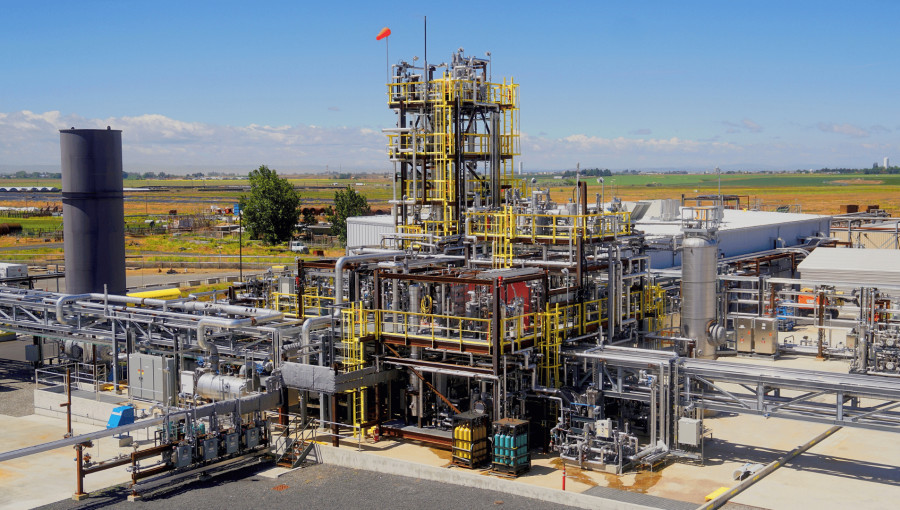
The industrial firm Twelve has officially launched AirPlant One, a pioneering commercial facility in Moses Lake, Washington, dedicated to producing E-Jet fuel. By utilizing a process that combines captured carbon dioxide, water, and renewable electricity, the plant manufactures sustainable aviation fuel without the need for crude oil or agricultural crops. This innovative approach allows for the creation of fuel that is fully compatible with existing aircraft and airport infrastructure. With support from partners like Alaska Airlines and Microsoft, the facility aims to provide a scalable, stable, and cleaner alternative to traditional fossil-based aviation fuels.
The facility represents a significant shift toward industrial electrification, moving away from volatile oil markets by relying on long-term electricity contracts. This transition enables Twelve to offer airlines predictable fuel pricing for up to a decade. Nicholas Flanders, the CEO and co-founder of Twelve, emphasized that the plant proves the viability of manufacturing essential global fuels from air and renewable power. Alaska Airlines has already committed to utilizing this locally produced sustainable aviation fuel for its domestic flight operations, marking a tangible step toward the industry's long-term goal of achieving net-zero carbon emissions.
Beyond aviation fuel, the Moses Lake site is also producing E-Naphtha, a versatile material used in the manufacturing of everyday items such as clothing, packaging, and plastics. By integrating captured carbon into the production of these goods, the company provides manufacturers with a sustainable alternative to fossil-fuel-derived feedstocks. The project’s development was bolstered by early financial commitments from Microsoft and Alaska Airlines, both of which are leveraging the output to reduce their corporate carbon footprints. This collaboration highlights the importance of strategic partnerships in scaling clean energy technologies and strengthening domestic energy security.