Spain Lowers Electricity Costs Through Aggressive Renewable Energy Expansion
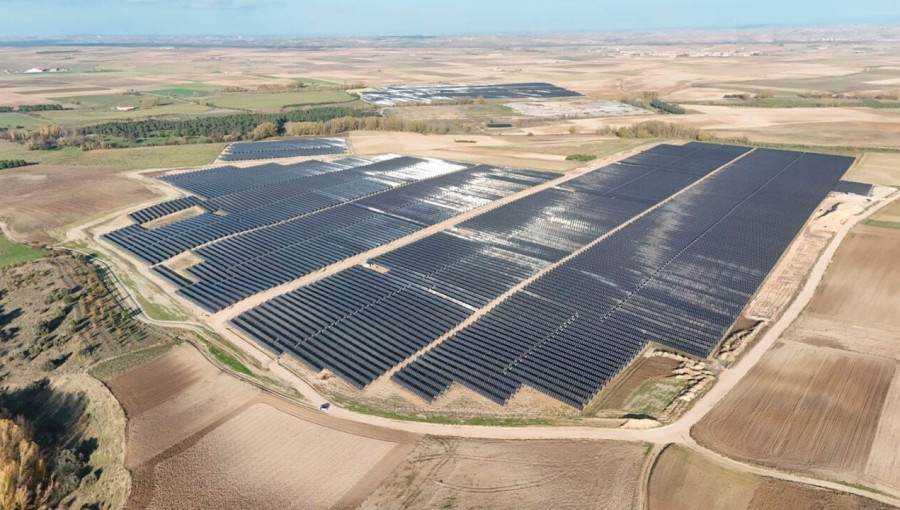
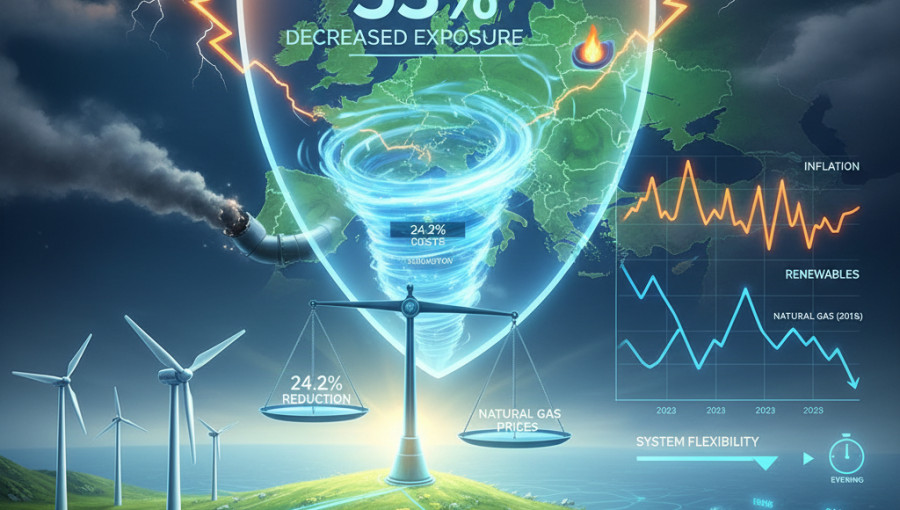
Spain has successfully decoupled its electricity prices from volatile global gas markets by aggressively expanding its renewable energy infrastructure. A new report from the think tank Ember reveals that this transition has led to a 19% reduction in consumer electricity bills, saving the average household approximately €10 per month. By significantly increasing wind and solar generation, Spain has insulated its power grid from the price shocks associated with international conflicts, contrasting sharply with more gas-dependent nations like Italy. This strategic shift has effectively shielded Spanish consumers from the broader economic instability affecting other European energy markets.
The impact of this transition is evident in the diminishing role of gas within the national energy mix. Between 2021 and 2025, wind and solar generation in Spain surged by 37%. Consequently, gas influenced only 9% of hours in the energy mix during the first five months of 2026, a dramatic decline from the 52% recorded in 2021. In comparison, gas remained a dominant factor in Italy, influencing 75% of hours during the same period this year. This disparity highlights how Spain’s commitment to renewables has created a more stable and cost-effective power landscape.
Spain’s commitment to the energy transition has remained steadfast even in the face of infrastructure challenges. Following a significant grid blackout in April 2025, the government opted to accelerate renewable investment rather than revert to fossil fuels. Since that event, the country has added an average of 1.3GW of new solar PV and wind capacity each month. To further enhance grid resilience and manage the issue of renewable energy curtailment—which saw costs rise to €3.8 billion in 2025—the government is prioritizing the deployment of battery energy storage systems.
The integration of battery energy storage is viewed as a critical component for the future of the Iberian grid. With a national target of 22.5GW of operational storage capacity by 2030, officials expect the amount of active battery energy storage systems to quadruple between 2025 and 2026. According to Ember, these ongoing reforms and the consistent expansion of clean energy capacity are essential for maintaining lower power prices and ensuring long-term energy security, proving that a sustained focus on renewables provides a reliable buffer against the unpredictable nature of global fossil fuel markets.