Startup Unveils Firebrick Battery To Decarbonize Heavy Industry
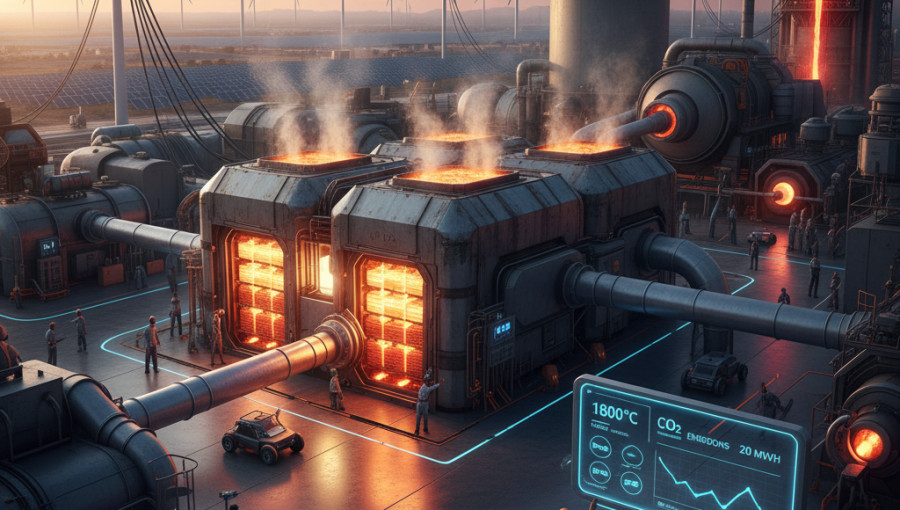
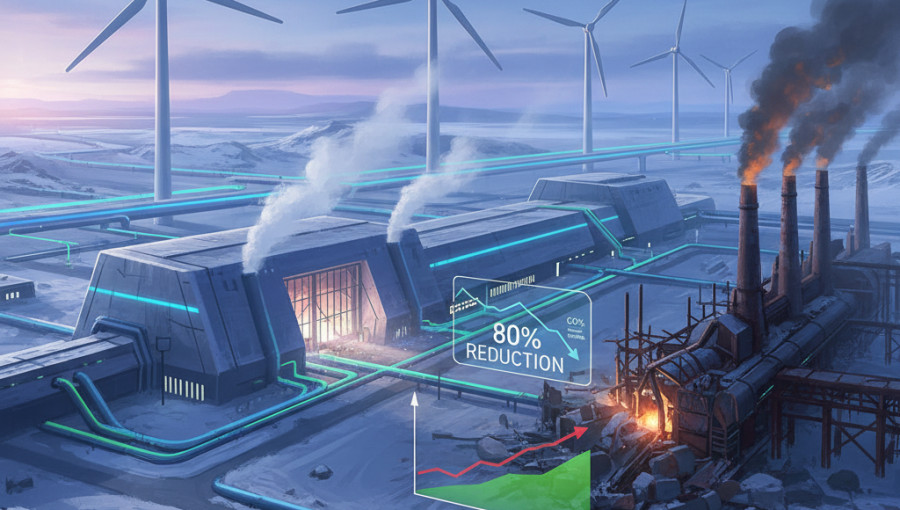
Boston-based startup Electrified Thermal Solutions has unveiled its first commercial-scale thermal battery, a technology designed to decarbonize heavy industrial processes. The Joule Hive system utilizes metal-oxide firebricks to store renewable energy as heat, reaching temperatures up to 1,800 degrees Celsius. By tapping into off-peak wind and solar power, the system provides a clean alternative to fossil fuels for sectors like steel, cement, and chemical manufacturing. This milestone marks a significant step toward reducing CO2 emissions in industries that have traditionally found it difficult to transition away from coal and gas.
The MIT spin-off showcased its technology last week at the Southwest Research Institute in San Antonio. The Joule Hive unit, which resembles a modified shipping container, is capable of storing 20 megawatt-hours of thermal energy. According to CEO and co-founder Daniel Stack, the system generates heat intense enough to replace fossil fuels in almost any industrial setting, including the production of glass, chemicals, and even steam for food processing.
The technology works by passing clean electricity directly through insulated stacks of firebricks to charge them. When a factory requires energy, air is circulated through these bricks and discharged as hot gas through a network of pipes. This setup allows manufacturers to test the system for on-site applications such as mineral drying and material processing. The company expects to begin delivering the first units to customer facilities by late 2026 or early 2027.
Major industrial players, including steelmaker ArcelorMittal, cement producer Holcim, and iron-ore giant Vale, have already invested in the firm. ArcelorMittal is currently collaborating with the startup to test the storage technology at a research facility in Spain, with the goal of eventually replacing fossil-gas heat used to shape and strengthen metal. This interest comes as heavy industry faces increasing pressure to lower energy costs and mitigate environmental impact.
Electrified Thermal Solutions is part of a growing sector of more than two dozen startups focused on industrial thermal storage. These companies use various materials, such as crushed rock, molten salt, and graphite, to bank low-cost renewable power. The sector saw significant momentum in 2025, with venture capital investments reaching approximately $200 million. However, the challenge remains to provide heat at a lower cost than fossil gas, particularly in regions where gas remains inexpensive.
The transition to electrified heat is critical for global climate goals, as industrial heat accounts for roughly one-fifth of global energy consumption. In the United States alone, direct heat use in factories contributes to 13% of the nation's energy-related CO2 emissions. While low-temperature processes can often be electrified with existing boilers and dryers, high-temperature requirements have historically been a barrier due to the tendency of extreme heat to damage standard electrical equipment.
Despite the technological promise, the startup faces a shifting political and economic landscape. Recent policy changes have led to the cancellation of several federal grants intended for industrial decarbonization, halting a planned project at a chemical plant in Kentucky. Furthermore, for thermal batteries to reach their full potential, industry leaders argue that energy markets must be reformed to allow factories better access to wholesale electricity rates during periods of surplus renewable production.
Looking forward, Electrified Thermal Solutions aims to install 2 gigawatts of thermal power capacity by 2030. By meeting the specific temperature needs of heavy industry while offering potential savings on heating bills, the company believes it can drive mass deployment of electrified solutions across the manufacturing sector.