Utility Projects Drive Record EU Battery Storage Growth (PDF)
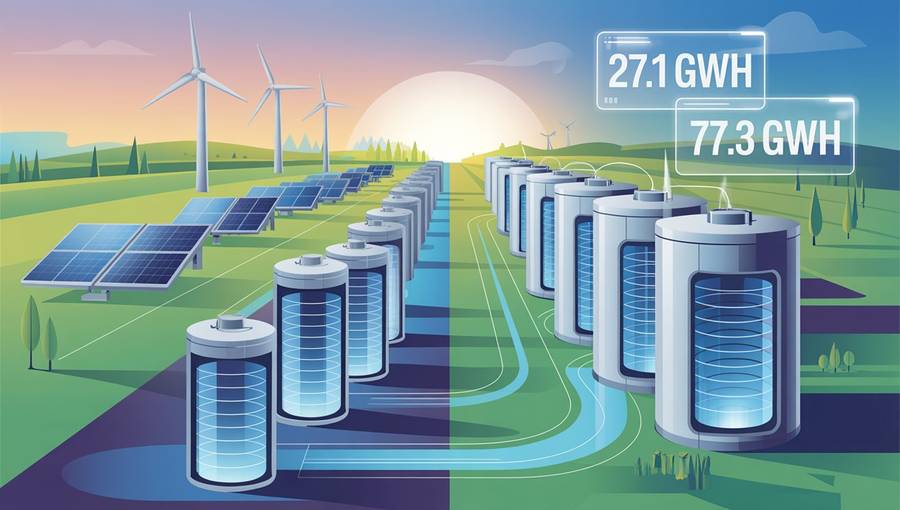
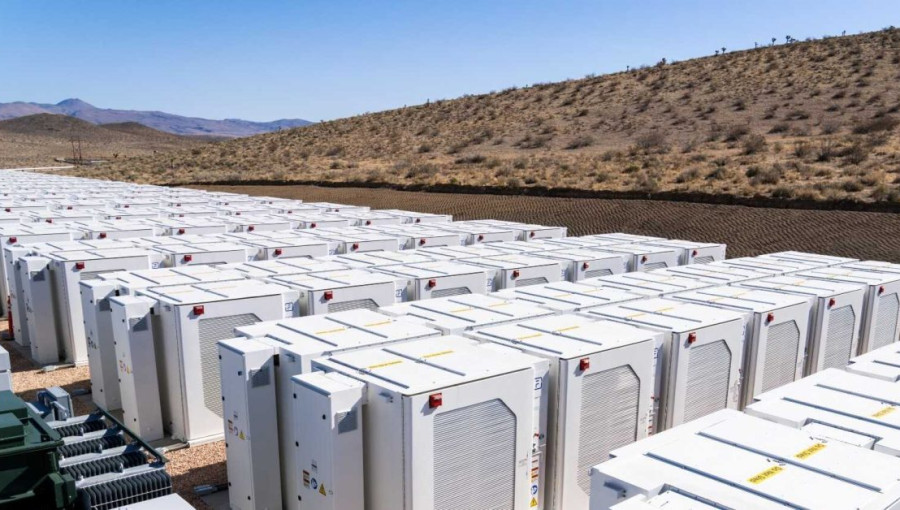
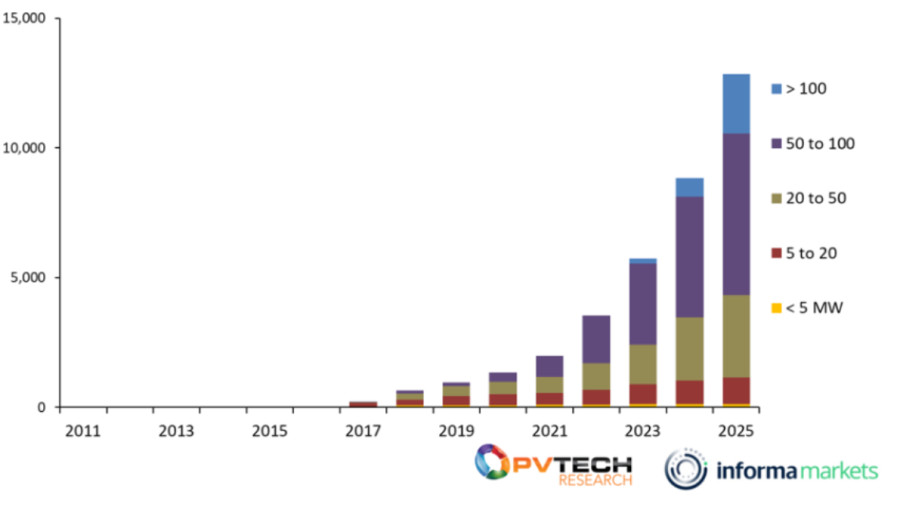
The European Union’s battery storage sector achieved a historic milestone in 2025, adding a record 27.1 GWh of new capacity. This 45% annual surge pushed total operational storage to 77.3 GWh, marking a significant shift as utility-scale projects overtook residential installations for the first time. Despite this momentum, industry experts emphasize that a tenfold increase to 750 GWh is necessary by 2030 to meet climate objectives. Achieving this target requires urgent regulatory reforms to modernize grid connections and eliminate financial barriers that currently hinder long-term investment across the continent.
The 2025 market data underscores that battery energy storage systems (BESS) have solidified their position as the fastest-growing clean energy technology in Europe. This acceleration follows a brief period of stagnation and arrives as solar power accounts for nearly half of the EU's total electricity production. Because grid infrastructure often struggles to keep pace with the rapid expansion of renewables, battery storage has become a critical tool for maintaining system stability, preventing energy waste, and managing the inherent variability of green power.
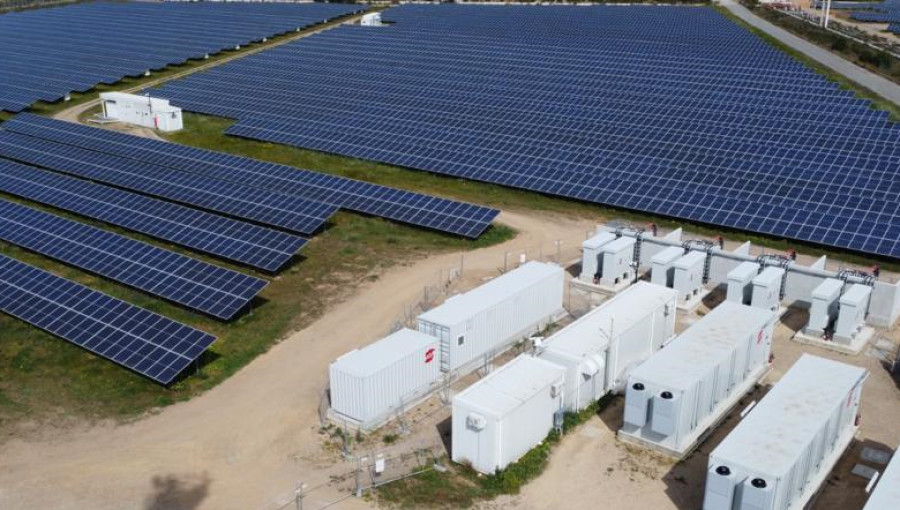
A major transformation occurred last year as large-scale utility batteries became the primary driver of market growth, representing 55% of all new installations. This evolution reflects a maturing landscape where investors increasingly prioritize standalone storage assets and integrated solar power plants. Conversely, the residential segment faced headwinds; the installation of home solar panels and accompanying storage declined for the second consecutive year, influenced by the conclusion of emergency subsidy programs and a general cooling in the rooftop market.
While Germany and Italy remain the dominant forces in the European market, the geographical landscape is beginning to diversify. Bulgaria made a surprise entry into the top three following a surge in large-scale utility projects. The Netherlands and Spain completed the top five, with the Spanish government officially designating storage as a vital strategic asset for its national energy transition. Together, these five countries accounted for 63% of the EU's new capacity in 2025.
On the industrial side, Europe currently possesses a potential battery cell production capacity of 252 GWh. However, the vast majority of this output—approximately 92%—is currently tailored for the electric vehicle industry and relies heavily on nickel-based chemistries. Experts suggest a necessary pivot toward stationary storage and lithium iron phosphate (LFP) technologies to bolster regional energy security. While midstream processing has improved, significant gaps remain in the domestic production of active materials for anodes and cathodes.
To bridge the gap to the 750 GWh target by 2030, SolarPower Europe argues that deployment must accelerate tenfold over the next five years. This requires Member States to overhaul grid connection processes by adopting "first ready, first served" protocols and removing redundant double-charging tariffs that penalize storage for both consuming and producing power. By streamlining permitting and harmonizing safety standards, the EU can de-risk investments and ensure that battery storage serves as the backbone of its renewable energy future.