Toyota Joins Daimler And Volvo For Hydrogen Trucks
Toyota has officially joined forces with industry giants Daimler Truck and the Volvo Group to accelerate the development of hydrogen fuel cell technology for heavy-duty transportation. By becoming an equal shareholder in the Cellcentric joint venture, Toyota aims to leverage its decades of expertise to commercialize zero-emission systems for cargo trucks and off-road applications. This strategic partnership focuses on mass-producing core components and expanding hydrogen infrastructure, positioning fuel cells as a vital complement to battery-electric solutions in the global effort to achieve carbon neutrality by 2040.
The collaboration marks a significant shift in the heavy-duty vehicle sector, as three of the world's largest automotive manufacturers unite under the Cellcentric banner. Originally established as a partnership between Daimler and Volvo, the addition of Toyota brings a wealth of specialized knowledge to the venture. The group will focus on the entire lifecycle of fuel cell systems, from the manufacturing of core components to the establishment of the necessary supply chains and refueling networks required to make hydrogen a viable fuel source for long-haul logistics.
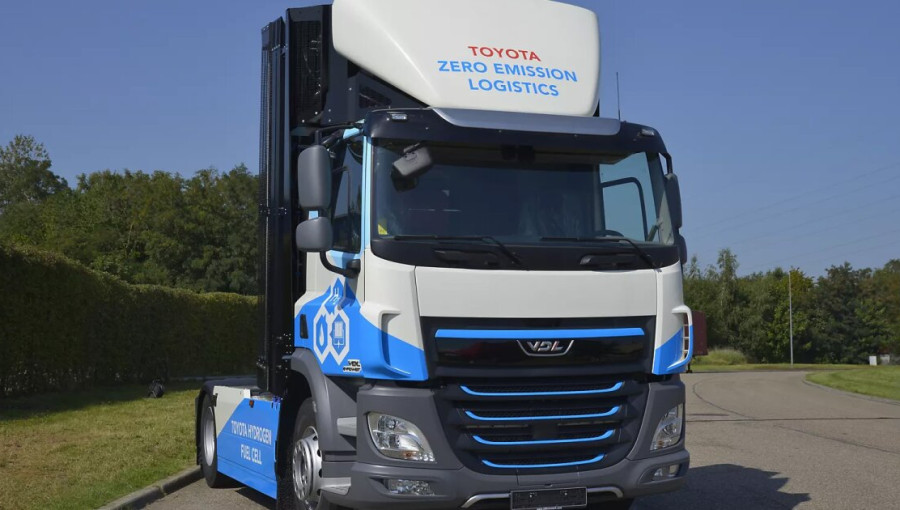
Toyota’s entry into the partnership is backed by over 30 years of research and development in fuel cell technology, dating back to 1992. While the company’s consumer-facing hydrogen sedan, the Mirai, has faced market challenges due to limited refueling infrastructure, Toyota has seen more promising results in the heavy-duty segment. The company has already demonstrated the potential of hydrogen in logistics through various international projects, including a 2023 collaboration with VDL and the launch of a commercial truck in Japan boasting a range of approximately 650 kilometers. In the United States, Toyota-powered Kenworth trucks have already achieved an emissions-free range of roughly 724 kilometers.
Industry leaders emphasize that hydrogen technology is not intended to replace battery-electric drives but rather to complement them. Karin Rådström, CEO of Daimler Truck, highlighted that scaling hydrogen technology is essential for decarbonizing the transport sector, particularly for applications where batteries may not yet be practical due to weight or charging requirements. This multi-pathway approach aligns with Toyota’s broader environmental goals, which include reaching full carbon neutrality across its operations by 2040.
The success of the Cellcentric venture will depend heavily on the expansion of infrastructure, particularly in Europe. While current refueling stations remain scarce, regional plans suggest a significant ramp-up in availability by 2030. By focusing on heavy-duty trucking, where fixed routes and high energy demands make hydrogen more efficient than in the passenger car market, the partners hope to establish a sustainable ecosystem for zero-emission freight. As Toyota continues to invest in battery-electric passenger vehicles, this parallel investment in hydrogen ensures a diverse technological portfolio for a greener future.