High Satisfaction Drives Logistics Shift To Electric Trucks
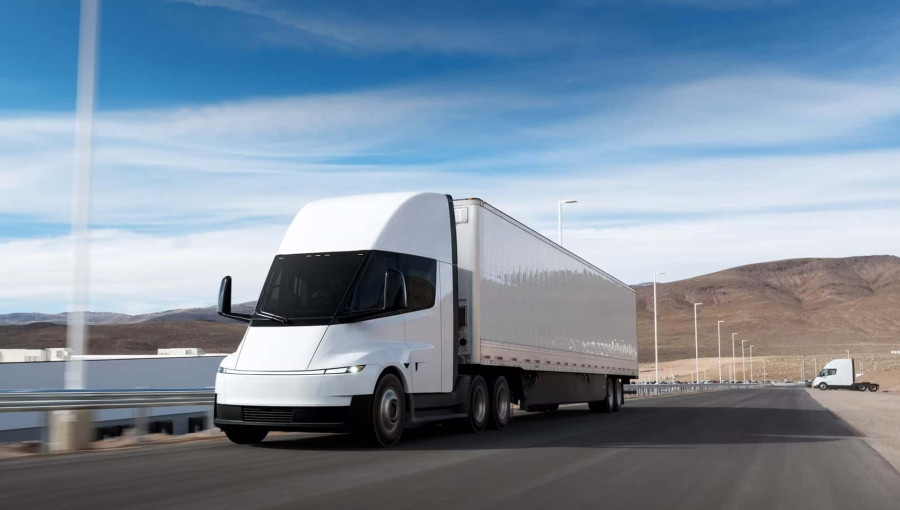
A recent study by the German Institute for Applied Ecology reveals a surge in confidence among electric truck operators, with 93% of surveyed companies reporting high satisfaction with their battery-powered fleets. Analyzing 57 logistics firms that have operated electric heavy-duty vehicles for at least a year, the report highlights that the majority of early adopters intend to make electric rigs their primary standard by 2030. While high initial costs and infrastructure challenges remain, the benefits of lower operating expenses and improved driver comfort are driving the industry's shift away from diesel.
The survey, conducted during the winter of 2025-2026, focused on companies utilizing vehicles from Daimler Truck’s lineup, including the Mercedes-Benz eActros and eEconic models. These operators, managing a combined fleet of over 300 electric trucks, cited reliability and significant cost savings as the primary drivers for their positive feedback. Notably, the exemption from expensive road tolls was identified as a critical factor in making the transition financially viable.
Performance data indicates that these electric trucks are more than capable of handling heavy-duty logistics. The average daily distance covered by the vehicles in the study was 432 kilometers, while approximately 40% of the companies reported that their electric units regularly exceed 500 kilometers of travel per day. This usage spans a wide range of vehicle classes, from 3.5-metric-ton delivery vans to 18-ton long-haul haulers.
When compared to traditional diesel engines, electric powertrains are proving to be highly dependable. Nearly half of the respondents reported that electric trucks were either as reliable as or significantly more reliable than their internal combustion counterparts. Only a small fraction of operators noted more frequent technical issues, suggesting that the technology has matured sufficiently for demanding commercial applications.
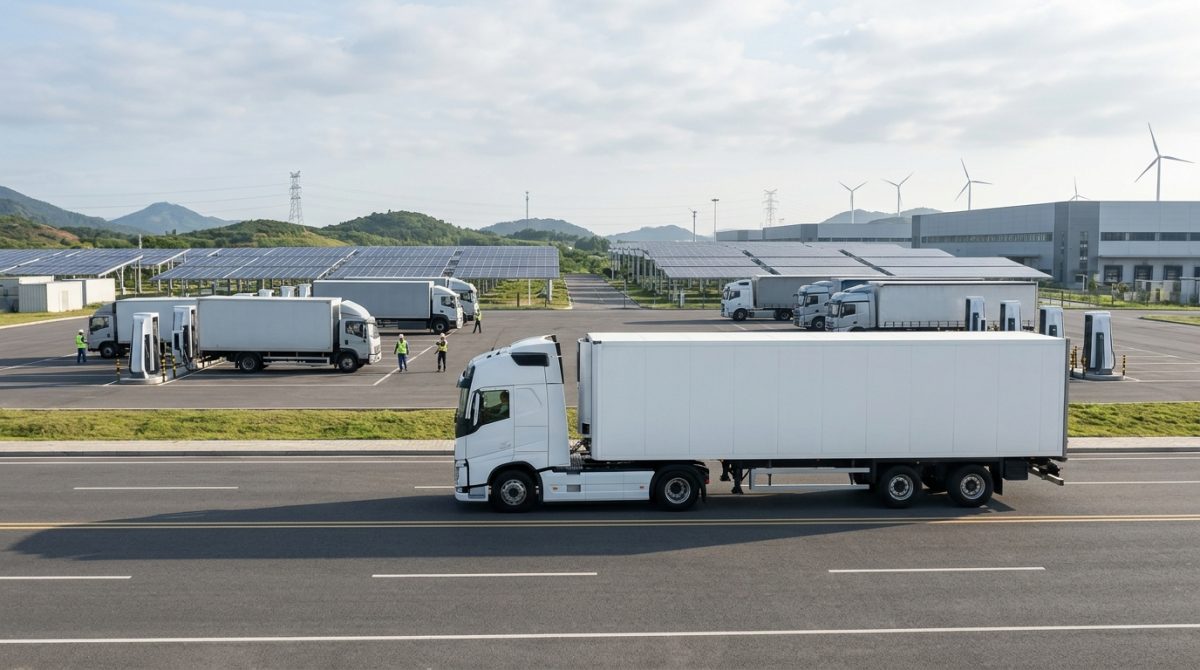
However, the transition is not without its hurdles. Respondents pointed to the substantial upfront investment and the complexity of upgrading electrical grids at their facilities as major pain points. On average, the participating companies required a grid connection of 1,115 kilowatts to support their operations, with installed charging power averaging 629 kilowatts. Because public charging infrastructure often lacks the space required for large rigs and suffers from a lack of price transparency, over 95% of charging currently takes place at private company depots.
Despite these logistical bottlenecks, the sentiment remains overwhelmingly positive. With nearly all surveyed companies planning to phase out diesel in favor of electric power by the end of the decade, the results suggest that the heavy-duty transport sector is reaching a tipping point toward sustainable electrification.