US Corporations Secure Record Clean Power Capacity
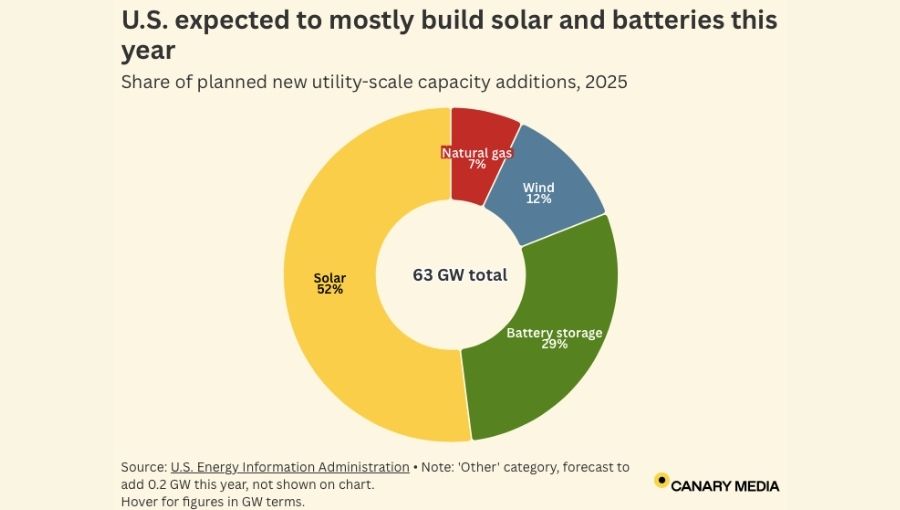
US corporations reached a new milestone in renewable energy procurement in 2025, securing a record 27.3GW of clean power capacity. According to the Clean Energy Buyers Association (CEBA), this represents a 12% increase over the previous year, bringing the total cumulative corporate procurement to over 130GW since 2014. Solar PV remained the primary choice for businesses, appearing in more than 70% of all new contracts, as major technology and retail firms continue to prioritize decarbonization to meet growing energy demands.
The scale of corporate investment has reached a point where private-sector power generation now accounts for approximately 4% of the total electricity produced in the United States. This contribution is significantly higher than the individual output of 45 out of the 50 US states. Despite the record-breaking volumes, the market saw a 40% decrease in the number of individual participants, reaching the lowest level of new entrants since 2016. Analysts suggest this indicates a consolidation phase where experienced, well-resourced buyers are dominating a supply-constrained landscape.
In a significant shift in technology preferences, 2025 saw a surge in "clean firm" energy procurement. Nuclear power emerged as the second-most popular technology for corporate contracts, surpassing wind power for the first time with more than 5GW in signed agreements. Beyond nuclear, companies showed increased interest in geothermal, hydro, and fusion projects, as well as natural gas facilities equipped with carbon capture systems to ensure a steady, reliable power supply.
The primary drivers of this sustained demand are the expansion of data centers and the rapid growth of artificial intelligence. Industry leaders such as Amazon, Meta, and Google, alongside major retailers like Walmart, have become the most influential players in the market. These companies are increasingly viewing clean energy not just as a sustainability goal, but as a critical component of their operational infrastructure and long-term economic competitiveness.
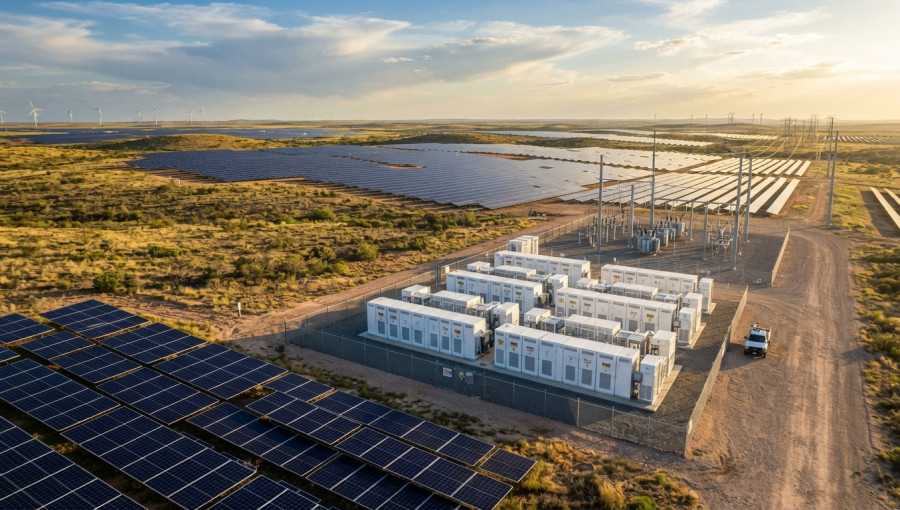
CEBA CEO Rich Powell emphasized that corporate commitment remains strong despite a period of political and market uncertainty. The findings highlight the essential role of voluntary procurement in integrating low-cost, reliable, and carbon-free energy into the national grid. As the industry looks forward, the focus is expected to shift further toward managing hybrid assets and co-locating solar PV with energy storage to address the complex requirements of a modernizing energy system.