US Offshore Wind Construction Resumes After Legal Victory
The U.S. offshore wind sector is experiencing a significant breakthrough as the Department of the Interior declined to appeal court rulings that blocked federal stop-work orders on five major projects. This decision allows construction to resume on critical wind farms along the Eastern Seaboard, which are expected to power over 2 million homes upon completion. The move also revitalizes stalled bipartisan negotiations regarding permitting reform, offering a potential path forward for renewable energy infrastructure despite previous political opposition and regulatory hurdles within the current administration.
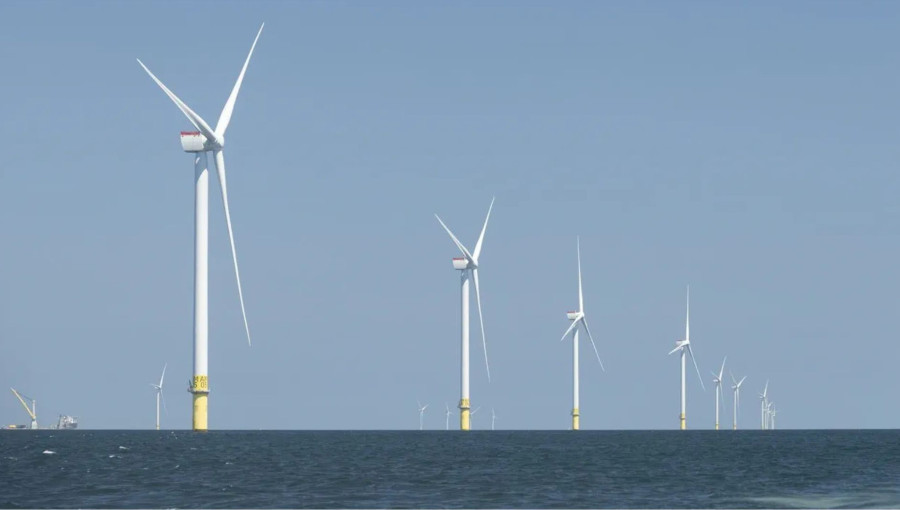
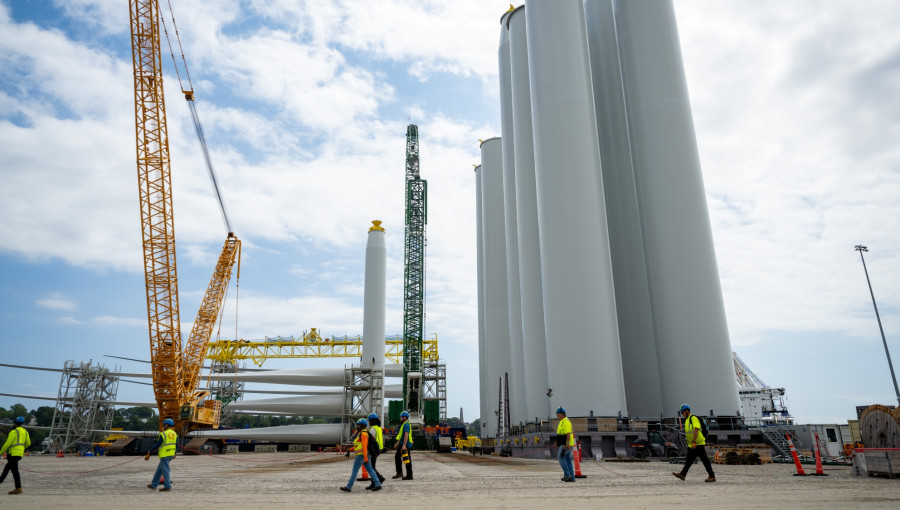
After months of aggressive opposition from the executive branch, the offshore wind industry has secured a vital legal victory. The Department of the Interior, led by Doug Burgum, allowed a final deadline to appeal federal court injunctions to expire last week. This follows a December mandate that halted construction on five key projects—located off the coasts of Massachusetts, Long Island, and Virginia—citing national security concerns. Federal judges subsequently ruled against these interventions, and the government’s refusal to challenge those rulings effectively clears the path for the nation’s first large-scale offshore wind developments.
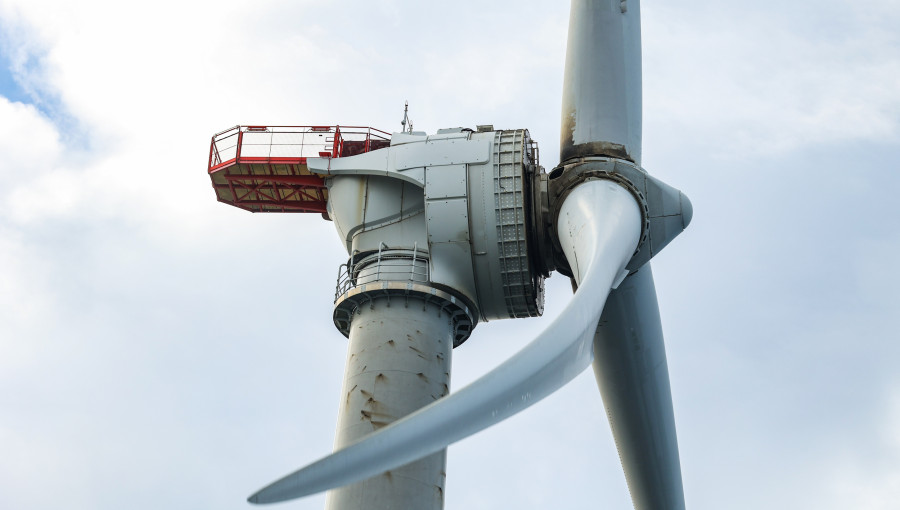
Despite the recent regulatory friction, several developers have already made significant strides. Ørsted’s Revolution Wind project recently began supplying electricity to the New England grid, while Dominion’s Coastal Virginia Offshore Wind facility is approximately 70 percent complete. Vineyard Wind has also demonstrated its reliability, generating substantial power during severe winter weather earlier this year. Once fully operational, these five sites are projected to produce enough clean energy to sustain more than 2 million households, providing a buffer against global energy volatility and rising fuel costs.
The decision not to appeal is seen by many as a strategic concession that could jumpstart permitting reform legislation in the Senate. Bipartisan discussions, led by Senator Sheldon Whitehouse, had previously collapsed following the administration’s interference with wind leases. Lawmakers are now eyeing a deal that would streamline environmental reviews and expedite the construction of interstate transmission lines. Such reforms are intended to prevent future federal interventions while speeding up the deployment of both onshore and offshore renewable assets.
Proponents of the reform emphasize that a predictable regulatory environment is essential for the industry’s long-term viability. Current data suggests that nearly 80 percent of renewable developers intentionally avoid federal lands to bypass lengthy environmental permitting processes, which can delay projects for years. Industry leaders argue that without legislative changes to the National Environmental Policy Act (NEPA), essential infrastructure and skilled labor remain underutilized. As the administration grapples with global energy shortages, this shift toward offshore wind may represent a broader pivot toward domestic energy security.