Battery Storage Delays Fuel Greek Renewable Energy Crisis
Greece's renewable energy sector is facing a severe crisis as a lack of battery storage infrastructure forces significant power curtailments and drives wholesale electricity prices to zero during daylight hours. While the government has licensed up to 25 GW of capacity for a system with much lower demand, delays in establishing a regulatory framework for energy storage have left small and medium-sized solar producers vulnerable. Industry experts argue that these administrative setbacks favor large-scale traditional power generators, who capitalize on high evening prices once solar generation ceases.
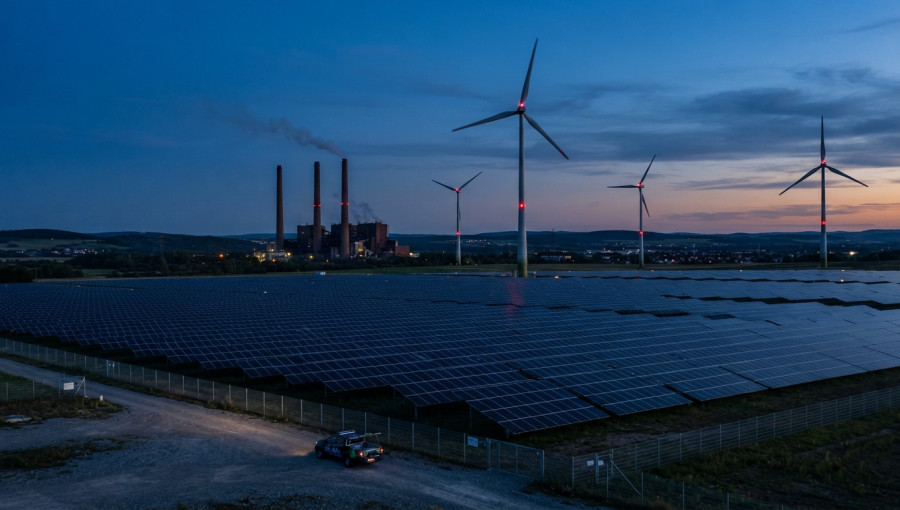
The Greek electricity market is currently grappling with a structural imbalance where production far outstrips demand between 8 a.m. and 6 p.m. During these peak sunlight hours, wholesale prices frequently collapse to zero or even negative levels, necessitating the widespread curtailment of renewable energy. Despite the nation’s economic recovery, domestic demand remains largely stagnant, oscillating between 4 GW and 11 GW daily, while the volume of licensed renewable projects has swelled to 25 GW.
Petros Tsikouras, organizational secretary of the Thessaloniki-based association POSPIEF, suggests this volatility is the direct result of strategic policy failures. He contends that the government prioritized massive over-licensing without providing the necessary grid infrastructure or storage solutions to manage the surplus. According to Tsikouras, the delays in creating a functional energy storage framework have fundamentally undermined market stability and created a lopsided economic environment.
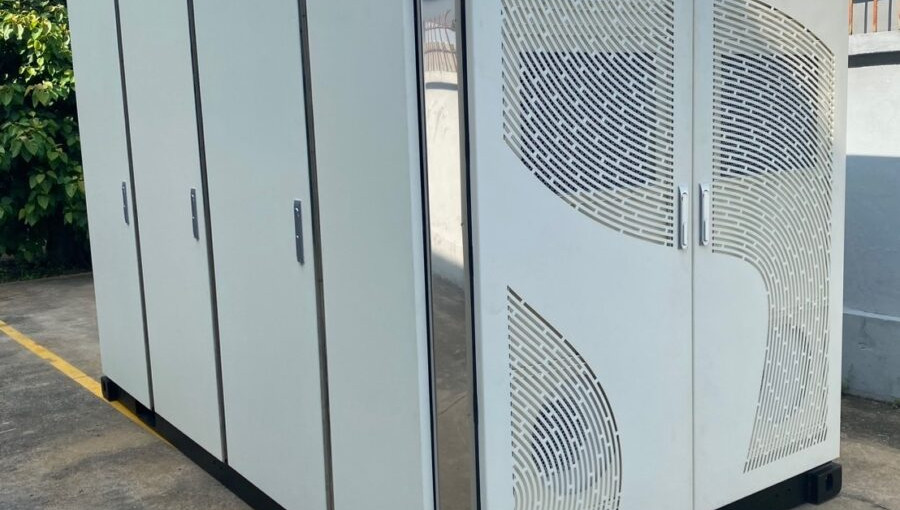
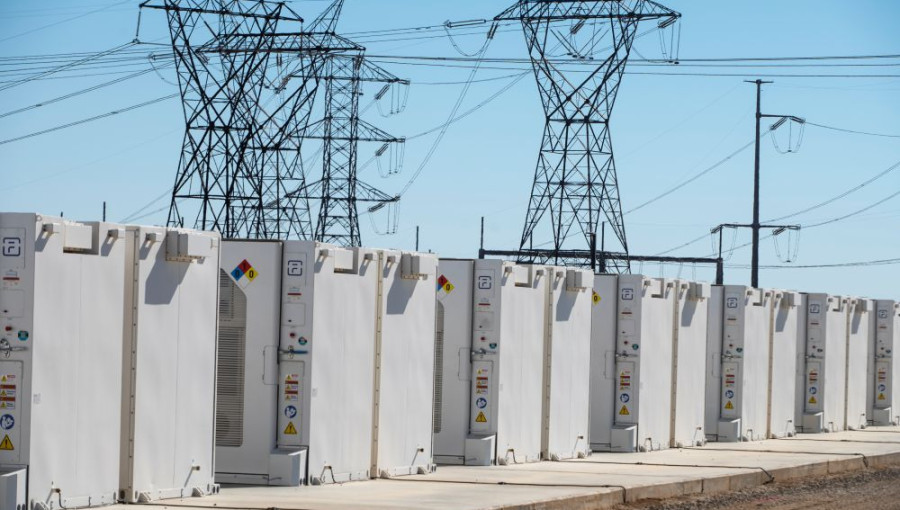
The progress of battery storage implementation has been notably sluggish. Although Greece held its inaugural auction in 2023, awarding 412 MW across 12 subsidized projects, the transition to operational status has stalled. By early 2026, only two projects representing a combined 16 MW had entered the market. While the system operator indicates that approximately 200 MW of stand-alone battery projects are currently undergoing testing, there is no definitive timeline for when the remaining capacity will become fully functional.
Critics argue that the regulatory vacuum is not merely a matter of technical inexperience with new technology but a political choice. When solar generation drops off in the evening, prices often spike to between €170 and €250 per MWh. During these hours, gas-fired plants and large hydroelectric units dominate the market, reaping significant profits. This dynamic leaves small-scale solar investors as the primary losers in a system that fails to shift surplus daytime energy to meet peak evening demand.