
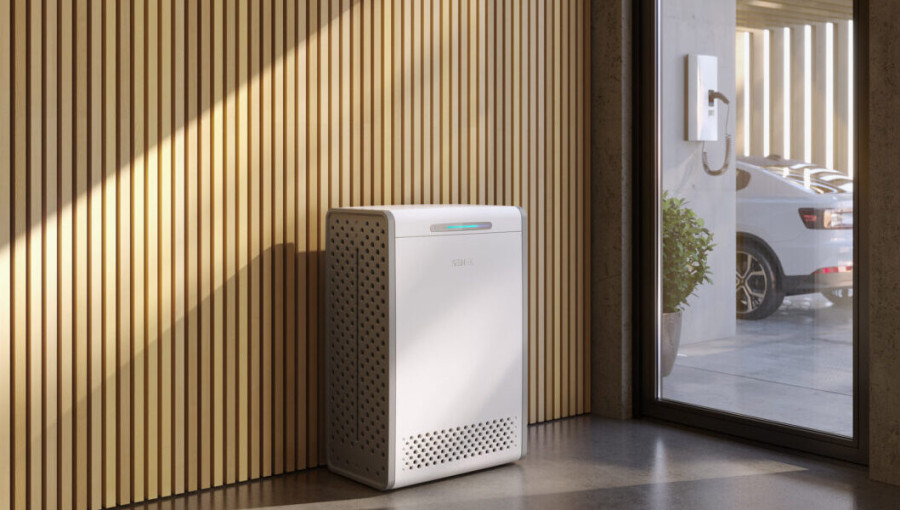
Hungary has unveiled a significant new initiative to boost residential energy storage, allocating HUF 100 billion to subsidize home battery systems. The program is designed to help households with existing or planned solar panels become more energy independent by storing self-generated electricity. Homeowners can receive a non-refundable grant of HUF 2.5 million, covering a substantial portion of the cost for a 10 kW battery storage system, addressing the gap between daytime solar production and evening energy demand.
The government’s plan was announced by Prime Minister Gergely Gulyás as a measure to increase energy self-sufficiency for families. Under the program, households can apply for a HUF 2.5 million grant to support the purchase and installation of a 10 kW battery energy storage system. Gábor Czepek, Parliamentary State Secretary at the Ministry of Energy, confirmed that this subsidy covers over 80% of the estimated HUF 3.2 million cost for the necessary battery and inverter. Full details of the tender are expected by mid-January, with applications opening for families in early February.
Officials emphasized that the program is a strategic response to the country’s energy landscape. Czepek noted that Hungary ranks first globally in electricity generated relative to its installed solar panel capacity. This leads to massive power production during the day, while peak consumer demand occurs in the late afternoon and evening. He stressed that energy storage is essential to retain this solar-generated electricity for several hours and align supply with demand.
This residential subsidy is part of a broader national strategy to enhance energy storage across all sectors. Applications are already open for companies and industrial energy actors to access a separate HUF 230 billion fund for storage projects. Additionally, the Jedlik Ányos Energy Program offers another HUF 50 billion in incentives for industrial storage installations. The government plans to continue this focus, with further expansions to strengthen the country’s storage capacity anticipated in 2026.