
The Netherlands is confronting its persistent grid congestion issues through a new collaborative initiative called RenewaFLEXNL. Led by the Netherlands Organisation for Applied Scientific Research (TNO), the three-year project unites 17 partners to implement long-duration energy storage (LDES) solutions. These technologies, capable of holding renewable energy for up to 100 hours, are designed to stabilize the power grid by balancing supply and demand more effectively. By establishing a national deployment strategy and regulatory guidelines, the project aims to facilitate faster solar-plus-storage adoption and provide a blueprint for energy transitions across the European Union.
Project coordinator Iratxe Gonzalez Aparicio highlighted that the initiative is designed to overcome significant regulatory, economic, and technical hurdles. Current barriers include ambiguous ownership rules for storage assets, high capital expenditures, and the complexities of integrating storage into medium-voltage and high-voltage networks. To resolve these, the consortium is developing legal recommendations and standardized contract templates intended to clarify the role of storage in the market and align tariffs with the actual value of congestion management.
To demonstrate the practical application of these technologies, RenewaFLEXNL will conduct three distinct pilot programs. In the Port of Rotterdam, LDES will be used to bridge offshore wind generation with industrial electricity and heat requirements. A second pilot in De Kwakel will focus on greenhouses, utilizing stored energy to move away from gas-fired combined heat and power systems. Finally, in Altena, renewable energy will be coupled with storage to support local heat supplies and a charging network for electric trucks.
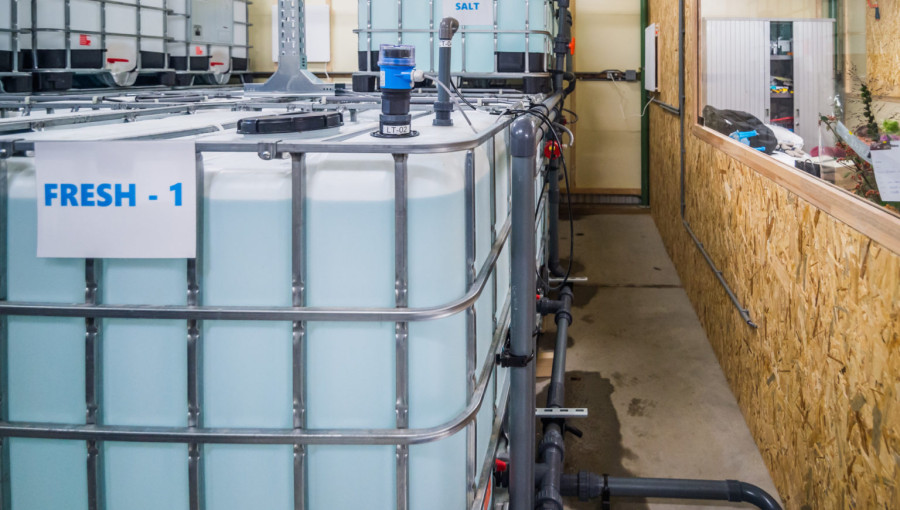
The project focuses on storage durations ranging from 8 to 100 hours, a window essential for managing multi-day weather fluctuations that standard batteries cannot handle. Three specific Dutch technologies are being tested: Aquabattery’s saltwater flow system, Ore Energy’s 100-hour iron-air solution, and a hybrid thermal-electric system from BB1 Project BV. These were selected for their use of abundant, safe materials and their potential for seamless integration with wind and solar module installations.
Beyond hardware, the consortium is building an open-source energy management system (EMS) blueprint. This software will use weather forecasts and demand profiles to optimize when storage should absorb surplus wind or solar power and when it should discharge to the grid. By incorporating signals from grid operators, the system aims to maximize the economic value of stored energy while preventing local network overloads. The partnership includes major industry players such as Vattenfall, Stedin, and TU Eindhoven, ensuring a comprehensive approach to the Dutch energy transition.